

Best security window tint options for retail storefronts in Chicago usually come down to one goal: make your storefront glass harder to defeat quickly and safer if it breaks, without turning your entry into a dark cave. Retail glass is inviting by design, yet it is also one of the most targeted parts of a storefront during smash-and-grab incidents, door impacts, and vandalism.
This guide breaks down how security window film works, what to pair it with, and how to choose the right scope for your location in Chicago, IL. We’ll also highlight options for multi-location operators who need consistent standards in Naperville, IL and Countryside, IL.
At Perfection Window Films, we’re 3M certified, an authorized 3M dealer, and we install commercial security window film with warranties on products and services. Call (630) 355-6461 or schedule here: https://perfectionwindowfilms.com/contact-us/.
Table of contents
- Why retail storefronts in Chicago need a glass plan
- What “security window tint” means in retail
- Security film vs safety film vs anti-graffiti film
- Option 1: Clear commercial security window film for doors and sidelights
- Option 2: Safety window film for everyday impacts and hazard reduction
- Option 3: Security film with attachment systems for higher-demand openings
- Option 4: Anti-graffiti film for display glass that gets tagged or scratched
- Option 5: Privacy and decorative layers for back-of-house and sensitive zones
- How to choose the right option for your storefront
- Where film helps most in a typical storefront
- What to expect from a professional installation
- FAQs
- Sources
Why retail storefronts in Chicago need a glass plan
Retail owners tend to focus on alarms, cameras, and locks. Those matter. Yet the glass itself often becomes the first point of attack because it is fast, loud, and common in street-facing storefronts.
Here’s what matters: a retail storefront glass plan is not only about keeping people out. It is also about:
- making quick “hit-and-run” attempts harder
- reducing dangerous shards if glass breaks
- getting your storefront back to normal faster after an incident
- keeping displays visible and inviting during regular business hours
If your storefront has large panes or glass-heavy entries, security window film can be one layer in a larger approach that includes hardware and operational practices.
Start with the most relevant service pages:
What “security window tint” means in retail
In storefront conversations, “security window tint” usually means a security or safety window film installed on glass to help it behave differently under impact.
Perfection Window Films describes commercial security film as adding a strong layer that helps hold glass together under impact, with clear or privacy options depending on the space.
See: Commercial Security Window Film
Important note for realistic expectations:
- Security film is not “unbreakable glass.”
- Security film can help hold broken glass together and can help delay entry, depending on the glass type, frame, and installation method.
- Your door hardware, frames, and anchors matter as much as the film.
That is why the right approach is usually “protect the opening as a system,” not “pick a film and hope.”
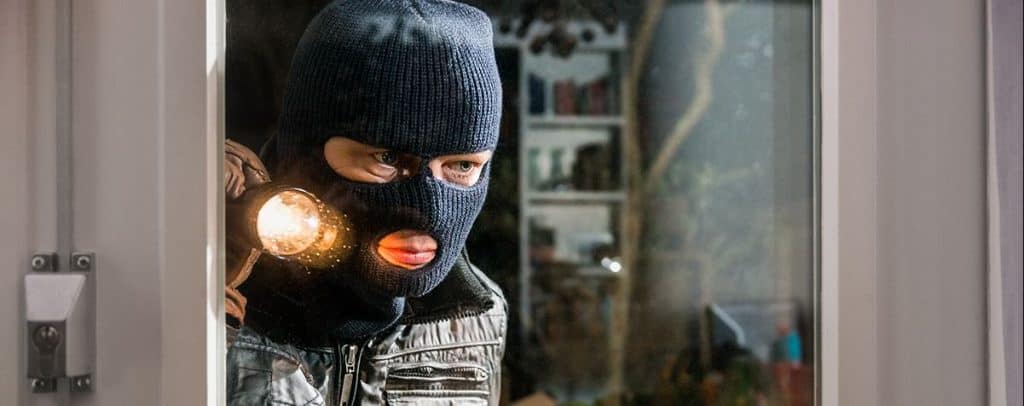
Security film vs safety film vs anti-graffiti film
Retail storefronts get hit with three types of issues: forced entry attempts, accidental impacts, and surface damage.
Security window film
- Focus: improved glass retention and more resistance during an attack
- Typical use: entry doors, sidelights, vulnerable street-level panes
- Best when: installed with the right method for the opening
Explore:
Safety window film
- Focus: helping broken glass stay more manageable if it breaks from an accident or impact
- Typical use: doors, interior partitions, glass near high traffic
- Often selected for: everyday hazard reduction
Explore:
Anti-graffiti window film
- Focus: a sacrificial layer that helps protect glass surfaces from scratching, etching, and abrasion
- Typical use: display windows, doors, high-contact glass that gets tagged
- Useful when: the glass survives, yet the surface gets ruined
Explore:
3M explains its anti-graffiti films are a sacrificial removable layer intended to help protect glass surfaces against vandalism damage such as scratches, abrasion, etching, and graffiti.
See: 3M Anti-Graffiti Films
Option 1: Clear commercial security window film for doors and sidelights
If you want one place to start, start at the entry.
Entry doors and sidelights are common targets because:
- they are often the thinnest and most exposed glass in the storefront
- they give direct access to merchandise and registers
- they can be attacked quickly
Clear security film is popular in retail because you keep visibility into the store and you keep the “open” look that helps sales.
On-site planning often includes:
- where an intruder is likely to strike the glass
- which panes are easiest to reach
- which openings create the fastest access if compromised
- whether you need clear film, a neutral look, or a privacy-tuned option

If you operate multiple storefronts in Chicago, IL and want consistent standards in Naperville, IL or Countryside, IL, a zone-based plan helps you standardize:
- entry systems
- display window coverage
- interior partitions
- service counters
Start here:
Option 2: Safety window film for everyday impacts and hazard reduction
Retail glass gets hit even when nobody is trying to break in. Think:
- customers bumping doors with strollers
- delivery carts clipping sidelights
- seasonal display setups tapping glass
- staff moving fixtures near windows
Safety window film is a strong option when your goal is reducing hazards from broken glass in daily use. Perfection Window Films describes safety film as a strong layer that helps glass stay intact if broken, reducing hazards from shards.
See: Safety Window Film
This is especially useful for:
- glass doors in busy corridors
- interior glass partitions near high traffic
- glass around fitting rooms
- child-focused retail where impact risk is higher
A practical retail approach:
- security film for the openings most likely to be attacked
- safety film for the glass most likely to be hit by accidents
Option 3: Security film with attachment systems for higher-demand openings
Now here’s the thing: the glass isn’t the whole story. The frame and how the film edges are treated matter.
For higher-demand applications, some systems use attachment methods to improve how the filmed glass performs as part of the opening. 3M notes that some of its window film applications may require the use of an impact protection attachment sealant on frames for certain mitigation uses.
See the “Legal disclaimer” section on 3M Anti-Graffiti Films (this is a general note from 3M about window film application limitations and when attachment sealants may be recommended).
If you are trying to plan for specific performance targets, it helps to know common standards referenced in glazing discussions:
- ASTM F1642 is a standard test method for glazing and glazing systems subject to airblast loadings.
Reference: ASTM F1642/F1642M - Security glazing literature often references burglary-resistance testing standards such as UL 972 for burglary resisting glazing materials, which is intended to resist “hit and run” type burglarious attacks.
Reference: UL 972 Standard Overview
You do not need to become a standards expert to choose the right film. The point is that performance depends on the whole opening, not only the film thickness.
If you want help mapping the right approach on your doors and sidelights, schedule a walkthrough: https://perfectionwindowfilms.com/contact-us/
Option 4: Anti-graffiti film for display glass that gets tagged or scratched
Some retail locations in Chicago, IL do not deal with break-ins as often as they deal with vandalism and surface damage:
- etched glass
- scratches that make windows look cloudy
- paint or marker defacement
- constant scuffs near entry doors
Anti-graffiti film is built for this scenario. 3M describes anti-graffiti film as a sacrificial layer that is removable and helps protect glass surfaces from scratches, abrasion, and acid etching.
See: 3M Anti-Graffiti Films
Two key benefits for retail:
- You keep the storefront looking clean and open during business hours.
- When damage happens, you can replace the film instead of replacing the glass in many cases.
Perfection Window Films pages to explore:
A common “retail stack” is:
- security film on entry doors and sidelights
- anti-graffiti film on large display panes
Option 5: Privacy and decorative layers for back-of-house and sensitive zones
Retail is not only the sales floor. Many storefronts have spaces that need controlled visibility:
- offices in view of the sales floor
- break rooms
- inventory and receiving areas
- cash handling zones
- fitting rooms and customer privacy zones
Privacy and decorative films can help you manage sightlines without building walls or covering windows with cluttered blinds.
Explore:
A clean approach is to add privacy at eye level while keeping daylight above. This maintains a bright store that still feels comfortable for staff and customers.
How to choose the right option for your storefront
Best security window tint options for retail storefronts in Chicago depend on how your storefront is built and how it is used. Here’s a simple decision path.
Step 1: Define the main risk
Pick the top one:
- forced entry attempts on doors or display glass
- accidental impacts and glass hazards
- repeated tagging and scratching
- privacy concerns for staff areas
Step 2: Identify the “fast access” points
Look at:
- entry door glass and sidelights
- corner display windows
- glass near recessed entryways
- glass near alley-facing sides
These are often higher-risk than a pane tucked behind planters or patio seating.
Step 3: Decide what visibility you must keep
Retail often needs:
- clear views into displays
- welcoming entrances
- a bright interior look
This pushes many locations toward clear or neutral security films rather than dark films.
Step 4: Use a layered plan
A practical layered setup could look like:
- Security film on entry doors and sidelights
Commercial Security Window Film - Anti-graffiti film on display windows that get damaged
Commercial Anti-Graffiti Window Film - Safety film on interior partitions and high-traffic glass
Safety Window Film
If you have multiple locations, we can align plans across Chicago, IL, Naperville, IL, and Countryside, IL based on each storefront’s exposure and layout.
Where film helps most in a typical storefront
If you want a quick checklist for your walkthrough, use this.
Entry doors and sidelights
This is the most common starting point.
Large display panes near the sidewalk
These are high-visibility and often high-risk, especially at corners and near transit routes.
Vestibules and glass-heavy lobbies
These areas can benefit from security film for resilience and can also benefit from glare control if the sun makes the entry uncomfortable.
Related comfort pages if heat and glare are also problems:
- Commercial Solar Control Window Tint
- Anti-Glare Window Film
- Solar Control Window Film
- Heat Control Window Film
NFRC notes that window film benefits can include reducing energy use (especially at peak periods) and cutting down on hot spots and glare.
See: NFRC Window Films
Interior glass partitions
Retail remodels often add glass inside the store. Those partitions can benefit from safety film for hazard reduction and from decorative film for privacy.
What to expect from a professional installation
Retail projects move faster when planning is clean. Here’s how we approach storefront film work.
1) Walkthrough and scope map
We document:
- glass types and sizes
- which panes are highest exposure
- where impacts or vandalism have happened before
- which areas must remain fully visible to customers
2) Film selection by zone
We match film to the use:
- clear security film on entry systems
- anti-graffiti film on display panes that get damaged
- safety film on interior glass in busy corridors
- privacy or frosted film where staff needs controlled visibility
3) Scheduling around operating hours
We phase work so your store stays functional. Many projects are staged by elevation or by zone.
4) Finishing and care guidance
You’ll get straightforward guidance for cleaning and what to do if film is damaged (especially important for anti-graffiti layers).
To schedule in Chicago, IL, call (630) 355-6461 or book here: https://perfectionwindowfilms.com/contact-us/. If you manage sites in Naperville, IL or Countryside, IL, we can coordinate one consistent plan across locations.
FAQs
1) What are the best security window tint options for retail storefronts in Chicago if I want clear glass?
Many storefronts start with clear commercial security window film on doors and sidelights to keep visibility and improve glass behavior under impact.
Start here: Commercial Security Window Film
2) Does security window film stop break-ins completely?
No. It is one layer. It can help hold broken glass together and may help delay entry depending on the opening, frame, and installation method.
3) Should I film the display windows or the entry doors first?
In many storefronts, entry doors and sidelights are a strong first step because they can be quick access points. Display windows may be next, depending on exposure.
4) What if our biggest issue is scratching and etching on the glass, not break-ins?
Anti-graffiti film is designed as a removable sacrificial layer to help protect glass surfaces from scratches, abrasion, and etching.
Explore: Commercial Anti-Graffiti Window Film
5) Can safety film help with injuries if glass breaks?
Safety film is used to help keep broken glass more manageable and reduce hazards from shards in everyday impacts.
Explore: Safety Window Film
6) Can we add privacy film in certain areas without darkening the store?
Yes. Frosted and decorative films can add privacy on interior glass or back-of-house windows while keeping daylight.
Explore: Commercial Decorative Window Films
7) How do I schedule a storefront assessment in Chicago, IL?
Call (630) 355-6461 or schedule here: https://perfectionwindowfilms.com/contact-us/. We also support multi-location planning in Naperville, IL and Countryside, IL.
Sources
- Window Films, National Fenestration Rating Council (NFRC), publication date not listed, https://nfrc.org/windows-doors-skylights/windows-films/
- Energy Efficient Window Coverings, U.S. Department of Energy, publication date not listed, https://www.energy.gov/energysaver/energy-efficient-window-coverings
- 3M™ Anti-Graffiti Films, 3M, publication date not listed, https://www.3m.com/3M/en_US/p/d/b00016715/
- ASTM F1642/F1642M Standard Overview, ASTM International, publication date not listed on overview page, https://www.astm.org/f1642_f1642m-17.html
- UL 972 Burglary Resisting Glazing Material Standard Overview, UL Standards & Engagement, last revision October 8, 2025, https://www.shopulstandards.com/ProductDetail.aspx?UniqueKey=15539
- FB43-14 (2020) Security Glazing (PDF), National Glass Association, 2020, https://www.glass.org/sites/default/files/2021-08/FB43-14_2020_Security_Glazing_0521.pdf


